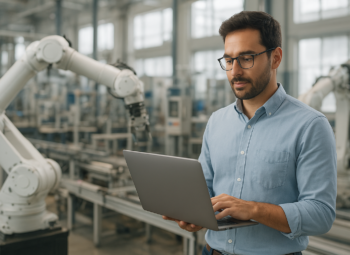



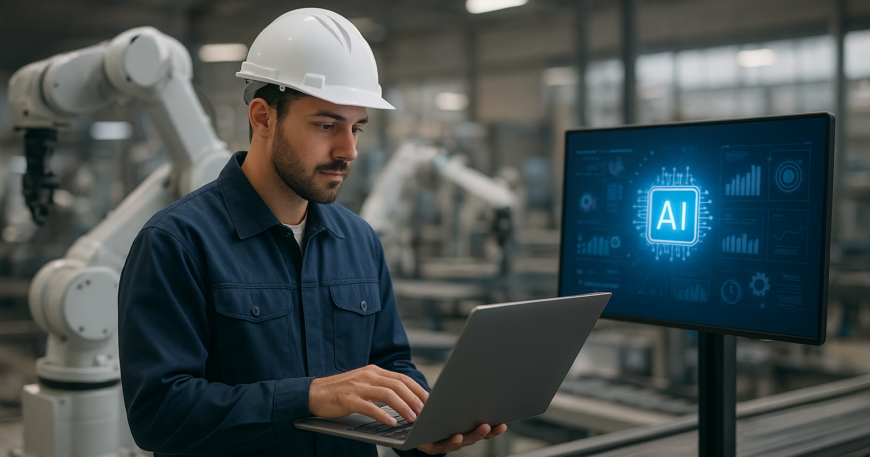
Modern mental health issues shape how organizations run factories and manage global supply chains. Workers and managers face higher cognitive loads, longer hours, and persistent stress from demand volatility and compliance pressures. These factors raise absenteeism, reduce focus on safety, and limit continuous improvement. Addressing mental health must sit alongside productivity goals. Leaders can deploy AI tools to lower mental strain, automate routine decisions, and create safer, more predictable operations. This post explains how AI-driven systems transform factory operations while supporting workforce wellbeing, compliance, and international sourcing strategies.
Research Output
Research Output: -1767937222
1. Real-time monitoring and predictive maintenance
How AI reduces downtime and cognitive load
AI systems ingest sensor data, machine logs, and environmental information to identify patterns that precede failures. Operators receive prioritized alerts instead of raw data streams. Planners gain a clear maintenance window and resource estimate. That clarity reduces guesswork and emergency decision-making, which lowers stress for frontline staff.
Key features
- Condition-based alerts with actionable remediation steps
- Automated spare-parts forecasting tied to procurement
- Root-cause analysis with visual dashboards for quick interpretation
Practical example
A mid-sized electronics assembly plant implemented vibration and temperature analytics. The system flagged bearing degradation weeks before failure. Maintenance teams scheduled repairs during planned downtime. The plant reduced unplanned stoppages and eliminated last-minute procurement stress.
2. AI-driven quality control and production optimization
From human inspection to consistent output
AI vision systems and anomaly detectors speed inspections and improve consistency. Supervisors can reassign experienced staff from repetitive inspection tasks to training and process improvement roles. AI reduces the pressure on inspectors to maintain high attention rates for long shifts.
Key features
- Computer vision for defect detection at line speeds
- Process parameter optimization using reinforcement learning
- Automated traceability records for each production unit
Practical example
A food-packaging manufacturer added a multi-camera vision layer to critical inspection points. The system highlighted defects and fed correction rules to upstream machines. Production managers saw a measurable drop in rework and a clearer set of tasks for quality teams.
3. Workforce wellbeing, safer shifts, and reduced mental fatigue
AI tools that support employee mental health and performance
Factories face high rates of fatigue and repetitive-strain injuries. AI can monitor biometrics, predict fatigue, and recommend shift adjustments. Smart scheduling balances workload with legal compliance and personal preferences. These measures help reduce stress and improve retention.
Key features
- Shift optimization that factors fatigue models and legal limits
- Wearable-based alerts for unsafe fatigue or posture
- Personalized micro-training modules delivered at point-of-need
Practical example
A multinational construction-materials producer used AI to redesign shift rotations across three plants. The algorithm prioritized recovery time and reduced consecutive night shifts. The company reported fewer safety incidents and improved worker satisfaction scores.
4. Compliance, factory verification, and carbon neutral supply chains
AI for auditability and emissions transparency
Regulators and buyers demand documented proof of compliance and emissions reductions. AI solves two problems: it scales verification, and it streamlines evidence collection. Systems analyze satellite imagery, energy meters, and procurement records to verify claims and expose discrepancies quickly.
Key features
- Automated document verification and anomaly detection
- Scope 1–3 emissions estimation using production and logistics data
- Visual factory verification through image analytics and geotagging
Practical example
An exporter of precast concrete used AI to reconcile energy usage against production data. The tool highlighted outlier days that suggested inefficient kiln runs. Plant engineers implemented process changes and validated improvements with automated reports for clients pursuing carbon neutral supply chains.
5. Integration with international sourcing, import/export, and construction material sourcing
How AI connects factories to global trade workflows
AI acts as a translator between factory operations and international trading requirements. It links supplier capability data to buyer specifications, optimizes freight, and automates customs document preparation. Procurement teams gain a single source of truth for supplier performance, compliance, and sustainability metrics.
Key features
- Supplier scoring that includes verification, lead time, and emissions
- Automated HS code classification and customs documentation
- Logistics optimization for multimodal routing and load planning
Practical checklist for B2B buyers
- Identify mission-critical machines and instrument them for condition monitoring
- Deploy vision systems at line bottlenecks to reduce rework
- Adopt fatigue-aware scheduling for high-risk shifts
- Use AI-based supplier scores when selecting construction material vendors
- Integrate emissions data into procurement decisions for carbon neutral targets
Actionable implementation steps
Start small, scale fast
Begin with pilots focused on clear pain points such as the top two failure modes or the highest-defect processes. Use short sprints to deliver measurable outcomes. Scale systems once teams accept the new workflows and data flows become reliable.
Cross-functional governance
Create a steering group with operations, procurement, HR, and compliance. Meet weekly during pilots. Assign a single owner to translate AI outputs into actions on the factory floor and supply chain functions.
Data hygiene and supplier collaboration
Ensure consistent naming, timestamps, and units across systems. Share anonymized performance and emissions data with suppliers to drive joint improvements. Use factory verification as a collaborative improvement tool, not just an audit mechanism.
Benefits summary for B2B decision makers
- Reduced unplanned downtime and clearer maintenance scheduling
- Improved product quality with fewer rejects and less rework
- Lower mental load for frontline staff and managers through automated decisions
- Stronger compliance and verifiable carbon reduction pathways
- Faster supplier selection, better import/export throughput, and optimized logistics
AI can transform factory operations while supporting workforce mental health and enabling sustainable international sourcing. The Prime Sourcing advises firms to pair technology adoption with process changes and human-centered design. That combination delivers measurable performance gains without increasing stress on your teams.
Ready to evaluate AI tools for your factories, compliance programs, or construction material sourcing? Contact The Prime Sourcing to discuss pilots, factory verification, and carbon neutral supply chain strategies.